
Welcome to the online biomechanics course
Course Objectives
The aim of this course is to improve the birth experience by avoiding the difficulties and trauma frequently associated with labour dystocia. It promotes a fundamental shift in our understanding of how the physiological processes of birth work including:
- a deeper understanding of pelvic anatomy and physiology, pelvic dynamics, the mechanical relationship between the pelvis and the rest of the body
- the dynamic interaction of the mother /baby dyad
- better recognition of symptoms of mechanical labour dystocia.
- recognising activities and lifestyles that increase the chances of labour dystocia,
- learning observational tools to recognise signs of a mechanical disruption during pregnancy and the birth process
- learning techniques and positions, based on the principles of biomechanics, that make more space in the pelvis by optimising physiology and may help avoid medical interventions.
- understanding the nature of the institutional obstacles to physiological birth including limiting instinctive birth positions and freedom to move.
The online course is presented in four modules, two prerecorded and two live zoom sessions. The pre-recorded sessions are "front - loaded learning" and need to be watched and inwardly digested in order to get the best out of the live zoom sessions. It will really help you get the best out of module 4 if you have familiarised yourselves with the positions and practiced them at home
Module one - Introduction and Anatomy and physiology.
Pre-course module
The module explores the structure of the pelvis, and the dynamic relationship between the ligaments, muscles and bones that form this complex piece of human architecture. An understanding the biomechanics of the pelvis allows a better understanding of the physical restrictions created by pelvic imbalance and the way space impacts the baby's journey through the birth canal.
This is a precourse activity - try and develop detailed understanding of the points raised through the video - it is important to be comfortable with AP basics to get the best out of the live sessions.
Several people have had trouble reading the words on the slide show - this small gallery gives access to higher resolution stills and some bonus anatomical drawings


Please complete the module assessment before the live sessions.
Module two - techniques and positions- Practice
Pre-course module - please familiarise yourself with and practice the positions demonstrated here before the the live session in Module 4
Module Objective: to understand and feel confident about the detail of the techniques and positions
 Please wear loose comfortable clothing for this session. Try and arrange to join with a colleague for modules two and four - otherwise try and persuade a friend or partner to be on hand to help practice the movements.
Please do practice these positions before the course and please pay special attention to the details - of both position and H&S - We appreciate in lockdown times it can be difficult to find a model but enlist partner/children or anyone you can abduct from the street - it really helps!!
- Module 2.1 Using the rebozo
- Module 2.2 Sidelying release
- Module 2.3 Forward leaning Inversion
- Module 2.4 Hip Squeeze
It is important that you understand contraindications and correct positioning so the woman or birthing person can benefit fully from the techniques. Please pay attention to safety advice. Informed consent should always be gained, appropriate professional monitoring and documentation should accompany use of these techniques.
Zoom link for live sessions (modules 3 and 4)
Please open zoom five minutes before the module is due to start - if you have never used zoom before give yourself a little more time - Zoom will tell you how to install the app but it can take a few minutes. This link can be used for both live sessions.
Single day courses start at 9-30 am and finish at approximately 5-30 pm - There will be a couple of short breaks and a half hour lunch break starting between 12-30 and 1 pm
Split courses - live module start times are 9-30 am and run toto between 12-30 and 1 pm both days
Module three - Live Zoom
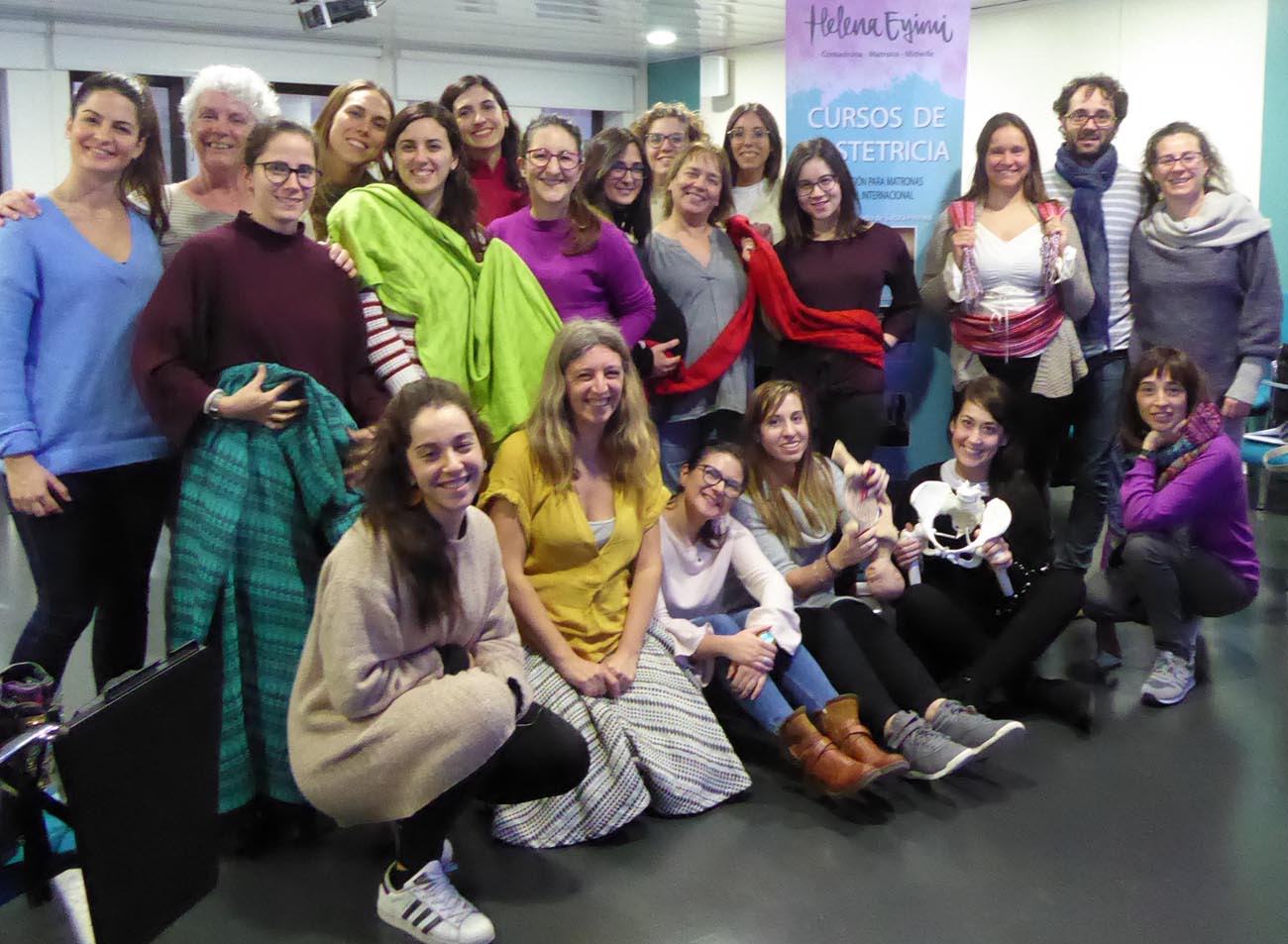 This is the key element of the course. The module is interactive, using breakout rooms, storytelling and practitioner experience to explore issues related to labour dystocia and enabling physiological birth; these may include research, institutional constraints, practitioner observations and any other relevant topics. The discussions will be used to make connections with physiology and anatomy and the variety of common signs associated with dystocia to help develop better diagnostic methods
Objectives
- to understand the limitations and effects of current medical solutions to long and slow labour and assessment tools for the diagnosis of labour dystocia.
- to enhance recognition of the signs of a mechanical issue and develop and use an understanding of biomechanics to recognise it more effectively
- to identify risk factors, offer appropriate advice and solutions during pregnancy, antenatal education and the birth process.
- to enhance empathy, compassion and understanding for the woman's experience by valuing her knowledge about the baby's journey through her unique pelvis.
Module Four - Live Zoom
This module includes practice of positions and techniques, ideally you will have
- a bed, settee or massage table nearby to practice the moves,
- a large scarf
- some way of filming what you are doing so I can be sure the moves are practiced safely and correctly.
- loose comfortable clothing
- If possible join with a colleague or try and persuade a friend or partner to be on hand to help practice the movements.
There will be an opportunity ask questions and demonstrate attention to detail of the following techniques: rebozo sifting, shaking the apple tree, forward leaning inversion and sidelying release. It will not be possible to include practice of all the techniques so your. We will discuss the techniques and use of the other more simple positions discussed in the positions guide.
There will be a recap of positive strategies to use, evidence and research and a closing breakout session including an 'application to practice' quiz at the end of this module. There is also a post course quiz which will be handed out towards the end of the second module - this must be completed, on time, to get a certificate of participation
 DON'T FORGET TO DOWNLOAD AND PRINT THE GUIDE TO POSITIONS
There's now a Mobile Phone version of positions guide availalbe here
Tags: Online C2