
• 315
    Childbirth is an amazing and multifaceted process that intertwines biology, emotions, and personal stories. Experienced midwife Molly O'Brien and Optimal Birth emphasize the importance of understanding biomechanics, because the competent application of knowledge about body movement helps to facilitate the birth process and give women more positive memories. These methods reduce the risk of complications and make childbirth a natural and joyful event. Interestingly, the approach to childbirth is in many ways similar to choosing hobbies and ways to enjoy your free time. For some, it is preparation for motherhood, for others, it is exploring areas not directly related to family. There are many areas of entertainment in the world, and one of them is gambling. Today, there are a huge number of reviews available to help you figure out which options are more exciting. For example, the pageotsnews.co.uk provides an overview of the best casino games and providers, allowing you to understand which sites are worth considering for a vivid experience. Whether caring for a newborn or choosing entertainment, one thing remains key: the desire for balance and the search for solutions that bring joy. Optimal Birth's support is based on a deep respect for natural processes, while the study of gaming platforms is based on the desire to experience new emotions. In both cases, conscious choice is important, allowing for a more harmonious and memorable experience.

OPTIMAL BIRTH FINAL LOGOS whit CCC 1000pix 2

Why Optimal Birth?

image "Galactic Baby" copyright Cat Fancote - all rights reserved https://birthphotographyperth.com.au/"Galactic Baby" -award winning image from Cat Fancote - all rights reserved https://birthphotographyperth.com.au/

Over the past few years, there have been times when the debate about childbirth and especially choices about how and where to give birth, have become deeply polarised. As always, the media have been quick to reduce the debate to extremes, pitting dire warnings of “great danger if a baby is born at home” or against midwivesd "obsessed with natural birth at any price".

While these extreme views may exist among birth practitioners they are uncommon. Any birth practitioner not blindly wedded to the guidelines will acknowledge there is much about the status quo in many obstetric units that work actively against "a good birth". It’s also recognised that challenging institutional drivers of practices can be very difficult, even those with little or no evidence to support them. Medical intervention has a place and can save lives but it is quite clear that many interventions are used inappropriately, are often ineffective and are, at times, harmful. This is particularly relevant to the current solutions offered when a labour dystocia is identified. Despite being one of the leading reasons for a multitude of interventions and the main indication for caesarean birth, there is not only no consensus on the interpretation of labour dystocia, basically it means difficult or obstructed labour, but there is no consensus on optimal solutions. 

As a midwife my role is to help women have the best birth possible and to ensure they leave our care intact, whole and unharmed, ready for the next part of their journey into motherhood. The question that drove my practice in the birth room was how can I support and optimise the birth process. To do that I needed to develop a deeper understanding of birth physiology.  Physiologically informed practice is my passion, and the reason I came to find out about about biomechanics, the study of human movement. The baby's path through the pelvis is amazing and it is insufficiently studied in obstetric and midwifery training. We learn from a pathological framework and don't have enough information to understand the reasons behind mechanical dystocia. In turn, this impedes our ability to recognise the signs before a dystotcia becomes a crisis and impedes our ability to offer physiologically informed solutions. 

After years of self directed study, courses and training, putting it into practice and seeing results I started teaching. By asking the right questions I can now recognise signs of a mechanical  dystocia over the phone. We all have this knowledge and ability, the solutions are not diificult and they are not harmful. I'm eager to share because it makes a difference! 

It was already clear before the pandemic that interest in biomechanics was increasing and my life was going to be filled with teaching, I was and still am delighted!  I was spending half my life on planes and trains travelling to hospitals as far apart as Chile and Oban and it looked like I was in for a busy year.

Covid brought everything to a crushing halt - but only for a little while. It forced the development of an online presence - and broke resistance to distant learning. It's changed "everything". I'm talking to and teaching birthworkers around the world, have a 4000 strong social facebook group that's a lively and supportive forum for physiological birth, working with midwifery lecturers to help bring biomechanics into midwifery degree courses. I said I wanted optimal birth to change the conversation about childbirth - it's a thrilling ride and the enthusiasm and positivity I'm getting with every course I teach is more than empowering. Can't wait to see what happens next!

OPTIMAL BIRTH FINAL LOGOS whit CCC 1000pix 2

biomechanics for birth - face to face info and pre course material
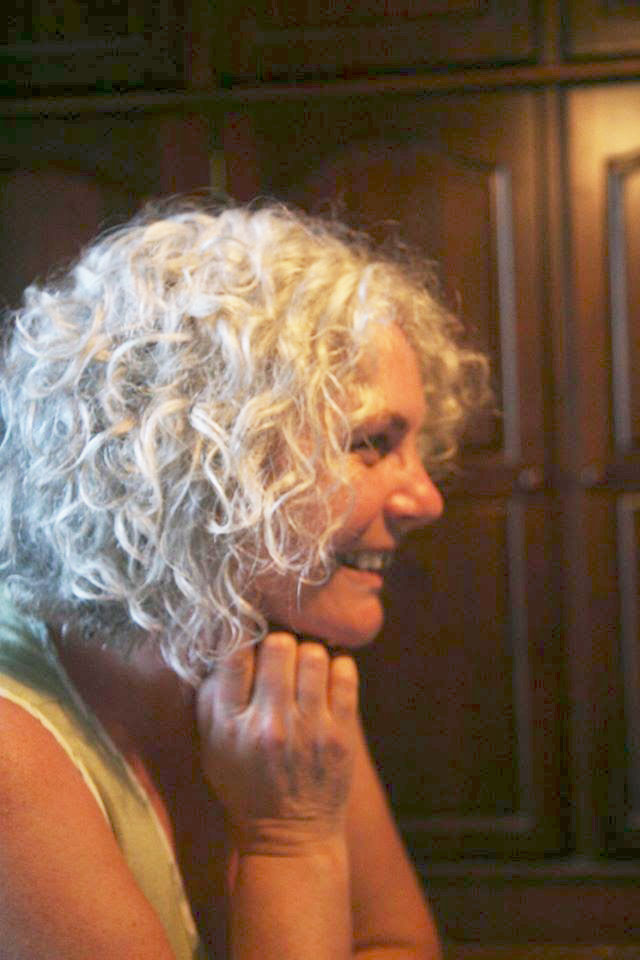
molly

Course Objectives

The aim of this course is to improve the birth experience by avoiding the difficulties and trauma  frequently associated with labour dystocia. It promotes a fundamental shift in our understanding of how the physiological processes of birth work including: 

  • a deeper understanding of pelvic anatomy and physiology, pelvic dynamics, the mechanical relationship between the pelvis and the rest of the body
  • the dynamic interaction of the mother /baby dyad
  • the importance of mobility through pregnancy and labour
  • better recognition of symptoms of suboptimal positions. 
  • recognising activities and lifestyles that increase the chances of labour dystocia,
  • learning observational tools to recognise signs of a mechanical disruption during pregnancy and the birth process
  • learning techniques and positions, based on the principles of biomechanics, that increase space in the pelvis and avoid medical interventions. 
  • understanding the nature of the institutional obstacles to physiological birth 

 on the day

The live session runs all day from 9-30am to between 5 and 5-30pm - Lunch will be around about 1pm and will last for around about an hour (excuse the lack of precision but the first part of the course is highly interactive so if it runs on it's because you have so much to contribute!)

The morning focusses on the physiology of birth, the environmental and clinical factors that impede physiology and how sometimes small changes in thinking and approach can make a big difference to birth outcomes. The afternoon session goes through postions and movements that are frequently have a profound effect on the course of labour.

Please dress in comfortable loose fitting clothes. If you have a scarf or rebozo bring it along with you.

Pre-course study

Please be sure to go through all of the pre course material - and please don't leave it till the evening before the live sessions!  There's quite a lot to absorb and you will not get the most out of the live day if you don't do your homework!


Pre-course module 1 explores the structure of the pelvis, and the dynamic relationship between the ligaments, muscles and bones that form this complex piece of human architecture. An understanding the biomechanics of the pelvis allows a better understanding of the physical restrictions created by pelvic imbalance and the way space  impacts the baby's journey through the birth canal.

This is a precourse activity - try and develop  detailed understanding of  the points raised through the video - it is important to be comfortable with AP basics to get the best out of the live sessions. 

Several people have had trouble reading the words on the slide show - this small gallery gives access to higher resolution stills and some bonus anatomical drawings 


Precourse module 2 will help you understand and feel confident about the detail of the techniques and positions - and help make the live practice go far more smoothly.

woman demonstrating the use of the forward leaning inversionPlease wear loose comfortable clothing for this session. Try and arrange to join with a colleague for modules two and four - otherwise try and persuade a friend or partner to be on hand to help practice the movements. 


 Video links

 It is important that you understand contraindications and correct positioning so the woman or birthing person can benefit fully from the techniques. Please pay attention to safety advice. Informed consent should always be gained, appropriate professional monitoring and documentation should accompany use of these techniques.


Biomechanics handout 300 pix front pageDON'T FORGET TO DOWNLOAD AND PRINT THE GUIDE TO POSITIONS

There's a new feature. We've built a Mobile Phone version of positions guide  availalbe here. It isn't an app - copy the link into your mobile phone and download the pdf. The files will be resident on your phone so no internet required to find it - just use your phone's PDF reader .

  • 1
  • 2

Join us on Facebook

optimal logo small

Mums, midwives and all - Visit us on facebook and join in a lively page full of info about birth and babys for mums and birth professionals.

It's also the gateway to the professions group "Biomechanics for Birth" - one of the go-to places for physios, body worker midwives, doulas and ostetricians from around the world to share news, questions and information about an important but often neglected area of birth.

sign in

to access course materials please sign in or register